
How Durability and Longevity Are Ensured in Steel Construction Buildings
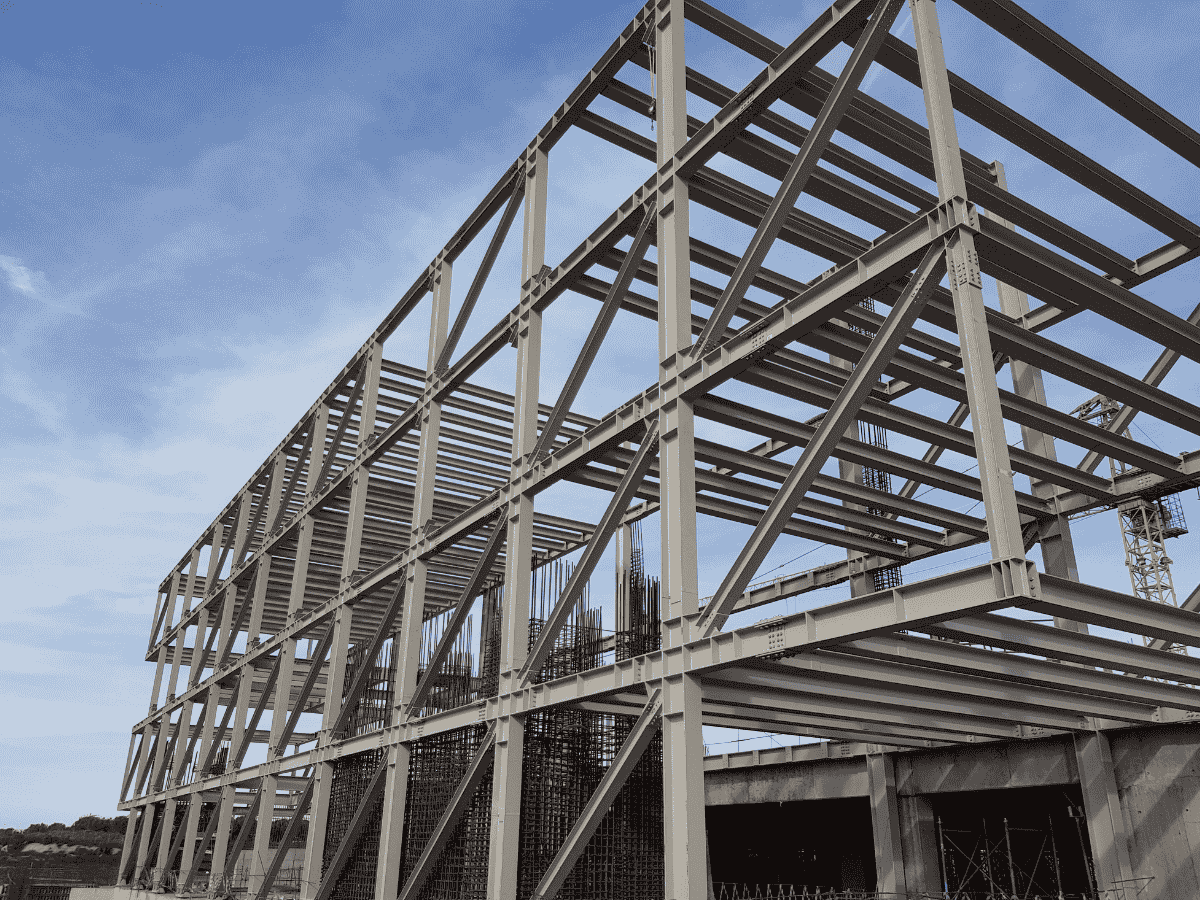
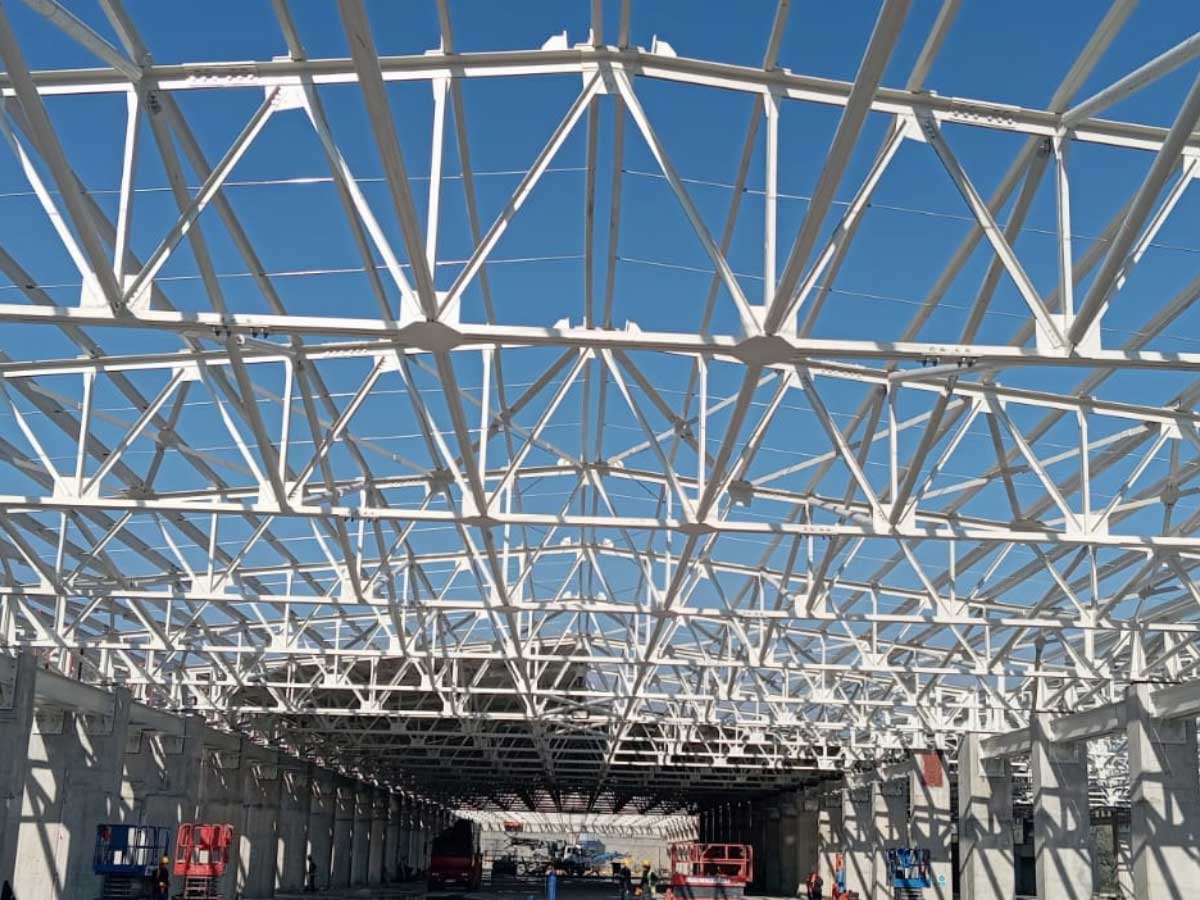
Steel structures can be used safely for decades when properly designed and executed. However, this durability does not happen automatically; many factors must be correctly managed, from design and manufacturing to assembly and maintenance.
In this article, we address the key elements that enhance durability and ensure longevity in steel construction buildings.
1. Proper Design and Structural Calculations
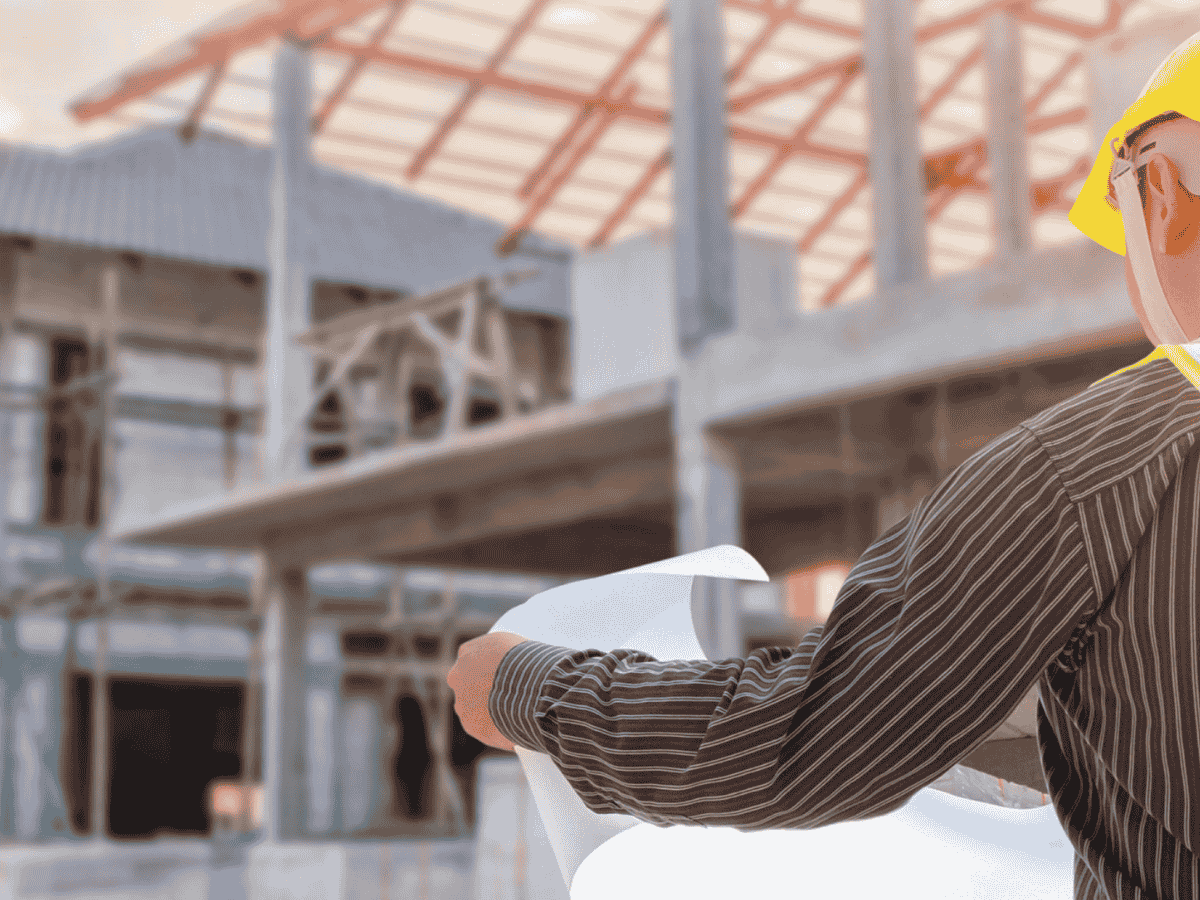
A durable steel structure starts with accurate engineering calculations. Loads such as earthquakes, wind, snow, and usage must be fully considered during the design phase.
Structural calculations in accordance with regulations ensure the building remains safe and stable over the long term.
2. High-Quality Materials and Appropriate Profile Selection
The grade of steel used, its thickness, and compliance with standards directly affect the lifespan of the structure. Low-quality or inappropriate materials can lead to deformation and reduced load-bearing capacity over time.
Therefore, every project should use the correct section and appropriate steel grade.
3. Professional Manufacturing and Welding Applications
Errors during manufacturing can severely weaken the durability of the structure. Welding quality, in particular, plays a critical role in the load-bearing performance of steel structures.
Skilled personnel and controlled manufacturing processes form the foundation of long-lasting buildings.
4. Effective Corrosion Protection Measures
One of the biggest risks for steel structures is corrosion. Therefore, processes such as surface preparation, sandblasting, primer coating, and galvanization must be applied meticulously.
Protective systems suitable for the environmental conditions increase steel’s resistance to external factors.
5. Proper Assembly and On-Site Practices
Assembly methods that do not comply with the project can reduce the performance of the structure, regardless of manufacturing quality. Bolt torque, weld joints, and installation tolerances must be carefully checked on-site.
Proper assembly is an important factor in achieving the designed lifespan of the structure.
6. Periodic Maintenance and Inspections
Although steel structures require low maintenance, they are not completely maintenance-free. Regular inspections help detect potential issues at an early stage.
Routine maintenance preserves the safety of the building and extends its service life.
Steel structures built with proper planning, high-quality materials, and professional practices provide safe and durable service for many years.