
7 Critical Points to Consider in Steel Construction Planning
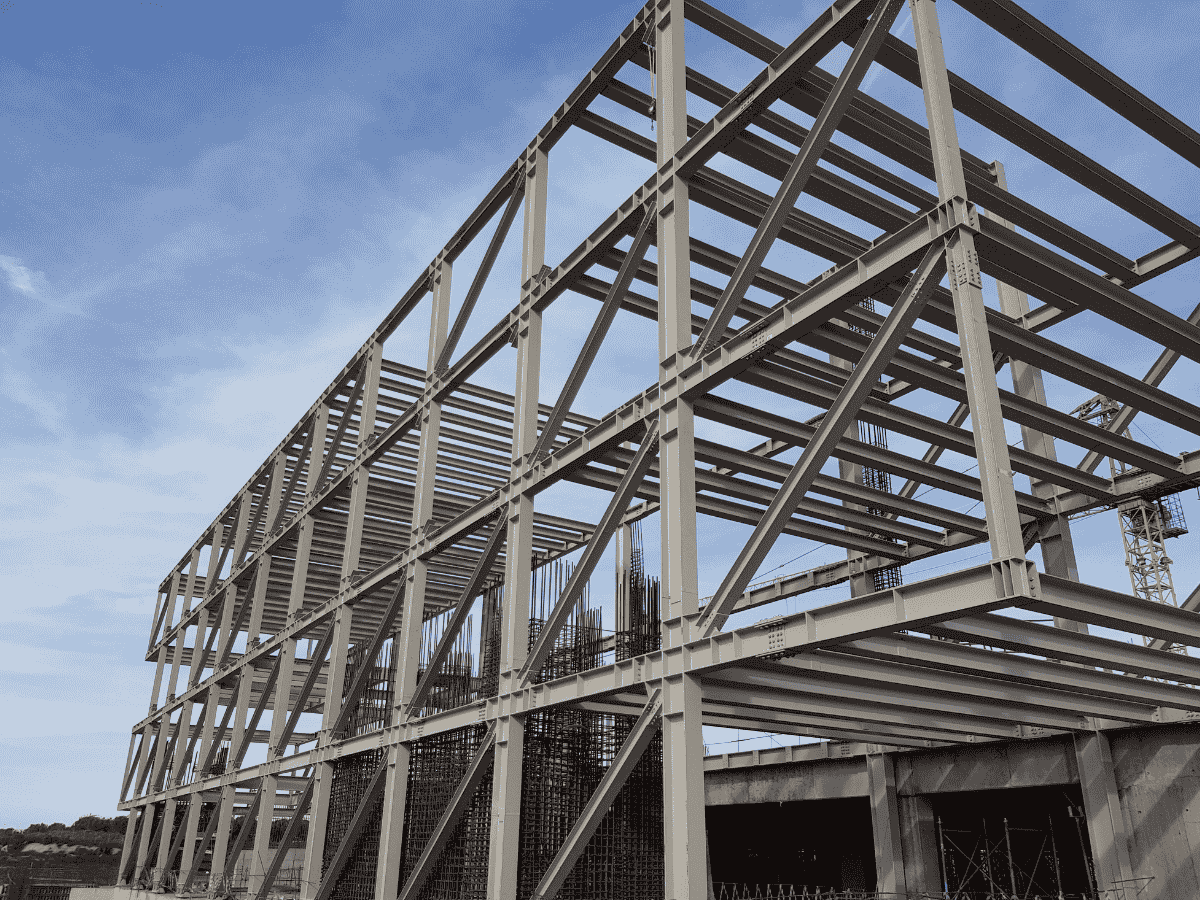
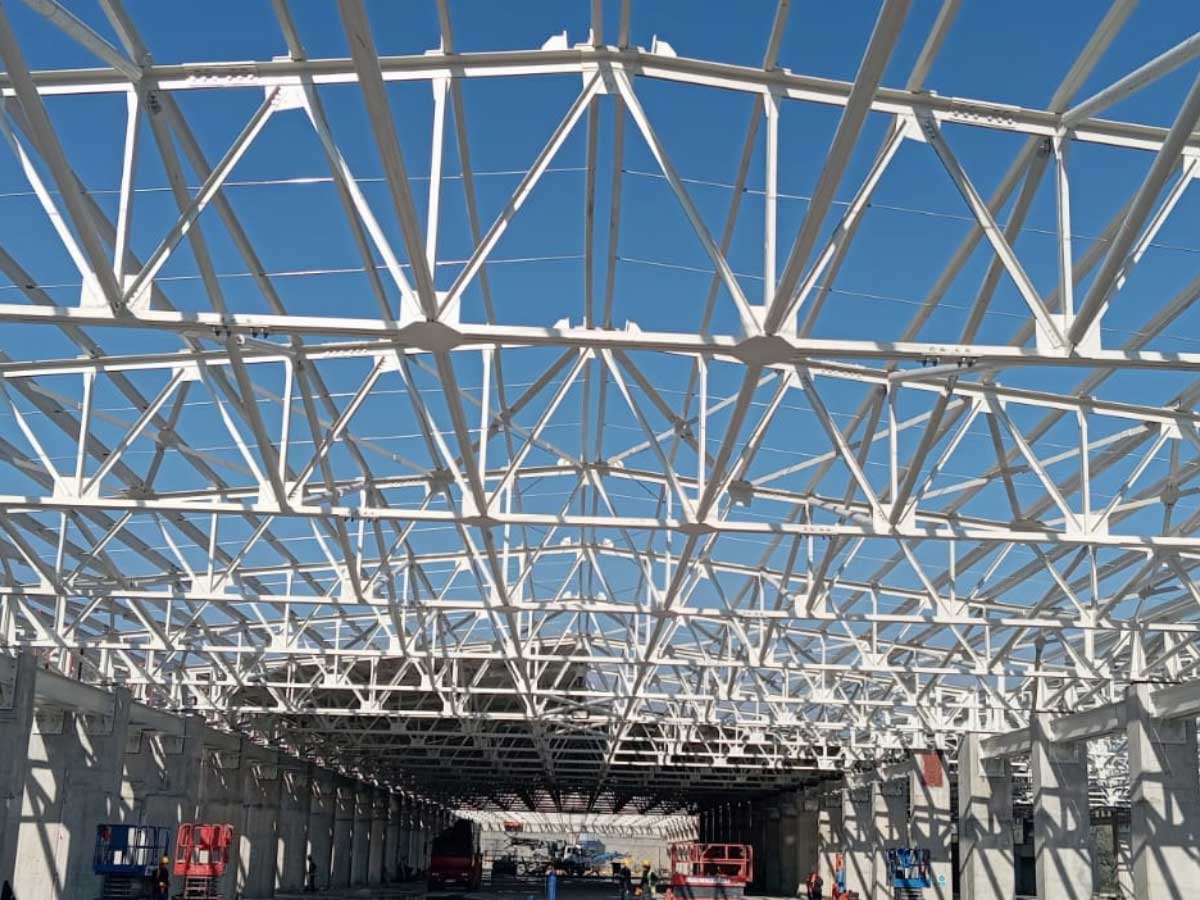
Success in steel construction projects largely begins with proper planning. Every decision made during the design phase directly affects manufacturing and assembly processes to achieve a solid, safe, and long-lasting structure.
Therefore, the steel construction planning process is a critical stage requiring engineering knowledge, field experience, and regulatory expertise. In this article, we cover the 7 key points that must be considered in steel construction planning.
1. Clearly Define the Purpose of the Structure
Before starting the project, the intended use of the structure must be clarified. Each use type—factory, warehouse, hangar, office, or commercial building—has different load-bearing system requirements.
The intended use directly affects spans, floor loads, crane systems, load-bearing capacities, and architectural design. Therefore, the first step in planning is to correctly analyze these needs.
2. Soil Survey and Load-Bearing Capacity Analysis
One of the most common mistakes in steel construction projects is insufficient consideration of soil conditions. However, the soil survey directly determines the foundation system and column placement.
If the soil load-bearing capacity is not properly analyzed, serious structural problems may arise later, regardless of how well the project is designed. Therefore, static calculations must strictly follow the soil report.
3. Compliance of Structural Calculations with Regulations
Steel construction projects must fully comply with the current earthquake regulations and building standards. Wind loads, seismic effects, and live loads must be accurately considered in structural calculations.
Projects designed according to regulations not only enhance structural safety but also prevent issues in official approval processes.
4. Correct Profile and Material Selection
The type, thickness, and quality grade of steel profiles used directly affect the durability and cost of the structure. Overly heavy sections increase costs, while insufficient sections create structural risks.
Therefore, during the planning phase, optimal section and material selection should be made, ensuring a balance between safety and economy.
5. Detailing Suitable for Manufacturing and Assembly
A theoretically correct project may encounter issues during manufacturing or assembly. Therefore, when preparing drawings, both workshop production and field installation must be considered.
Connection details, welding, and bolted joints should be clearly indicated in the project. This reduces time loss and the risk of errors during execution.
6. Future Revisions and Expansion Needs
Steel structures may require expansion or changes in use in the future. During the planning phase, modular and expandable systems should be preferred.
This approach allows additional investments to be implemented at a lower cost in the coming years.
7. Interdisciplinary Coordination
In steel construction projects, architectural, structural, mechanical, and electrical designs must be compatible. Lack of interdisciplinary coordination can lead to serious implementation issues on-site.
Therefore, during the planning process, all technical teams must work in coordination to ensure the project proceeds smoothly.